Recycling and Sustainability at Bromley Storage
 At Bromley Storage, sustainability is built into how the site operates every day. From the way waste is separated to the way vehicles are managed, our approach to recycling at Bromley Storage is focused on reducing landfill use, improving material recovery, and supporting responsible local disposal routes. We work toward a clear recycling percentage target of at least 90% diversion from landfill, with ongoing reviews to improve this further as better sorting and reuse options become available.
This commitment reflects the broader environmental priorities seen across the boroughs we serve, where waste separation is increasingly organised by material type, collection stream, and reuse potential. In practical terms, that means paper, cardboard, plastics, metals, wood, and general waste are handled separately wherever possible. By following this structured approach, Bromley Storage recycling operations help ensure that more recoverable items are directed into the right treatment routes, rather than being mixed and lost to disposal.
 We also make use of local transfer stations to keep waste journeys efficient and to support regional recovery infrastructure. These transfer stations play an important role in consolidating separated materials before they move to specialist processing facilities. For a business like ours, local handling reduces unnecessary mileage, improves traceability, and helps maintain a cleaner, more accountable waste chain. It also supports the principle of keeping recyclable material circulating within the local economy for as long as possible.
Responsible Waste Handling Across the Site
Our recycling and sustainability practices begin with sorting at source. Staff are encouraged to place waste into the correct stream immediately, which increases the quality of the recycled material and reduces contamination. This is particularly important for mixed office waste, packaging from storage operations, and everyday operational items such as pallet wrap, cardboard boxes, and broken reusable fixtures. Where possible, materials are set aside for reuse before recycling is considered, helping extend product life and cut down on unnecessary disposal.
In boroughs where waste separation is a priority, the same logic applies at a commercial level: clean, separated streams are easier to process and more likely to be recycled into new products. For Bromley Storage, this means placing emphasis on practical categories such as dry mixed recycling, metal scrap, timber offcuts, and designated general waste. We also monitor what enters each waste stream, allowing us to improve staff training and identify opportunities to reduce waste generation in the first place.
 Partnerships with charities form another important part of our approach. Rather than sending usable items directly for recycling, we aim to pass on suitable goods through charitable channels whenever possible. Shelving, office furnishings, storage accessories, and other reusable items may be redirected to organisations that can give them a second life. This not only supports community groups but also reduces demand for new materials and lowers the overall environmental impact of our operations.
Partnerships That Support Reuse and Recovery
These charity partnerships are especially valuable because they sit above the recycling stage in the waste hierarchy. Reuse almost always delivers better environmental outcomes than recycling, as it avoids the energy and processing needed to remake materials. At Bromley Storage, this principle guides decisions about what is discarded, what can be refurbished, and what can be donated. By building connections with charitable partners, we are able to keep useful items in circulation and support local organisations at the same time.
Our team also works to ensure that larger waste items are handled in the most responsible way possible. Wooden materials, metal components, cardboard packaging, and certain plastics can often be recovered through specialist channels, while non-recyclable residues are minimised. This careful separation matters because contamination can reduce the value of recyclable loads. The more accurately materials are sorted, the more likely they are to be transformed into new products rather than downgraded or disposed of.
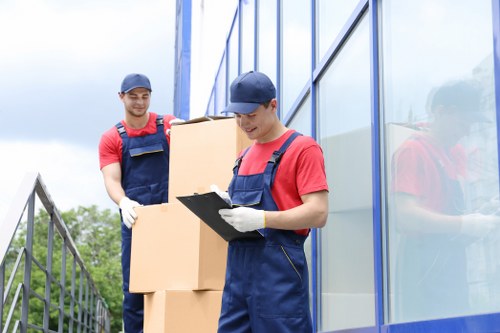 Another key part of our sustainability plan is the use of low-carbon vans. Our low-carbon Bromley Storage vans are chosen to help reduce emissions from local transport, especially when moving goods, collecting materials, or carrying items for redistribution. Lower-emission vehicles support cleaner air and a smaller carbon footprint, and they fit naturally with a wider strategy that includes smarter routing, fewer unnecessary journeys, and improved load planning. In a busy borough environment, these small changes can add up to significant environmental benefits over time.
Lower-Carbon Transport and Smarter Operations
We recognise that sustainability is not only about what happens to waste at the end of its life; it is also about how the business operates day to day. Low-carbon vans help align transport decisions with our wider environmental objectives, making every journey more efficient. Whether a van is used for moving materials to a local transfer station or supporting the movement of reusable goods to a charity partner, the focus remains on reducing emissions without compromising reliability.
In addition, we continuously look for ways to improve fuel efficiency, loading practices, and journey planning. Combining tasks into fewer trips, keeping vehicles well maintained, and choosing cleaner vehicles where appropriate all contribute to better performance. This complements the boroughs’ broader approach to waste management, where efficiency, separation, and reuse are increasingly important parts of the picture.
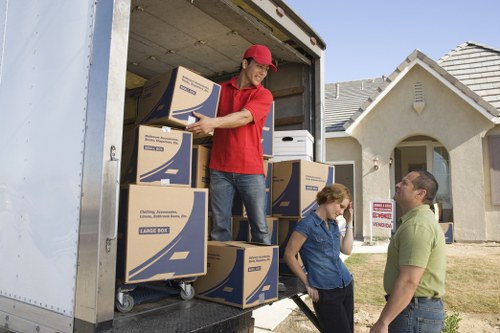 At Bromley Storage, our sustainability journey is ongoing. We aim to keep improving our recycling percentage target, strengthen links with local transfer stations, expand partnerships with charities, and invest in lower-carbon transport solutions. Together, these actions support a more responsible Bromley Storage recycling model that values resource recovery, community benefit, and practical environmental action. By treating waste as a resource and transport as an opportunity for improvement, we are working toward a cleaner and more sustainable future.