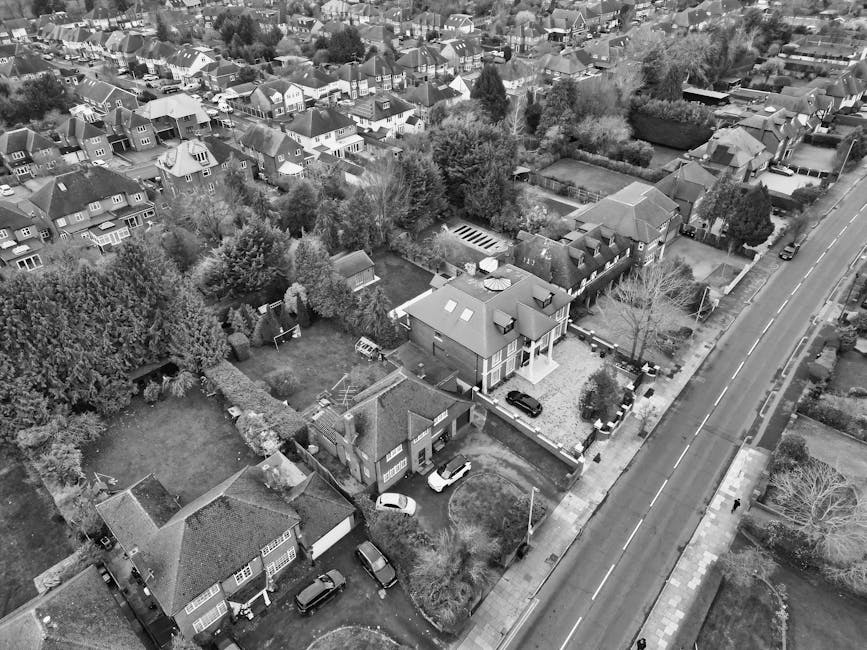
Shortlands house removals Bromley local access advice: a practical guide for smoother local moving
If you are planning a move in Shortlands, the biggest stress is often not the packing. It is the access. Tight roads, awkward parking, shared driveways, front gardens with low walls, time restrictions, and that one sofa that looked smaller in the showroom all add up fast. Shortlands house removals Bromley local access advice is really about removing the guesswork before moving day, so your team can get in, load safely, and keep the whole job calm.
Truth be told, the move itself is only half the story. The other half is what happens outside the house: where the van stops, how far items need to be carried, whether there is space to turn, and whether neighbours can still get past. In this guide, you will get clear local access advice, practical planning steps, and realistic tips for house removals in Shortlands and the wider Bromley area.
Expert summary: the smoother the access, the quicker and safer the move. A short phone call, a few photos, and a sensible plan for parking can save a surprising amount of time and effort on the day.
Why Shortlands house removals Bromley local access advice Matters
Shortlands has a very normal, very human moving problem: many homes are pleasant to live in, but not always simple to access with a van, trolley, and a full day of furniture shifts. Some streets are straightforward. Others are narrower than they look, busier at the wrong time of day, or surrounded by parked cars that leave just enough room to make everyone nervous.
Local access advice matters because moving crews need to know what they are walking into before they arrive. If a van cannot stop close to the door, every item takes longer to carry. If the route from house to van involves steps, gravel, steep paths, or a shared alley, the risk of bumps and delays goes up. Even a small detail, like a low hanging branch or a front gate that only opens halfway, can change the pace of the day.
In our experience, the households that plan access properly tend to have calmer moves. They are not necessarily moving fewer things. They are simply removing friction. And moving day without friction? Rare, but lovely when it happens.
There is also a trust angle here. If a removals team asks sensible questions about your driveway, loading point, and nearby parking, that is a good sign. It means they are planning for reality rather than hoping for the best. Let's face it, hope is not a loading strategy.
How Shortlands house removals Bromley local access advice Works
The process usually starts with a basic access review. This can be done from a phone call, photos, a quick video walk-through, or a survey where needed. The aim is to understand how the move will actually happen at street level and inside the property.
A good access review normally covers:
- where the moving vehicle can stop
- how far the team will carry items from door to van
- whether there are stairs, slopes, or narrow hallways
- if large furniture will need to be dismantled
- whether parking needs to be planned in advance
- if there are any height or width limits on the route
- the best time of day for loading and unloading
Once that is clear, the move can be matched to the right vehicle size, crew size, and packing method. For some households, a standard removals crew is perfect. For others, a smaller, more flexible service such as man and van support or small removals can be a better fit, especially where access is tight or the load is light but awkward.
If you are moving a full family home, the planning tends to sit around the shape of the property, the volume of furniture, and whether items can be staged in advance. A move from a flat with stairs and limited parking feels very different from a house with a clear drive. And yes, that difference really shows up in the clock.
Key Benefits and Practical Advantages
Good access advice is not just about convenience. It can reduce damage, save time, and make the whole day feel less chaotic. Below are the main advantages people notice most often.
- Faster loading and unloading: shorter carry distances mean less back-and-forth.
- Lower risk of damage: fewer awkward turns through tight spaces.
- Better vehicle planning: the right van or lorry can be assigned first time.
- Less stress on moving day: everyone knows the plan before the first box is lifted.
- More accurate quotes: access details help avoid surprise delays or extra labour.
- Safer handling: steps, slopes, and narrow passages can be managed properly.
For local households, there is another benefit that gets overlooked: neighbour relations. If your move is organised, concise, and respectful of parking and access, it tends to be less disruptive. A quiet, well-managed move is a far better experience than a van blocking half the road while someone tries to reverse with a wing mirror millimetres from a hedge. Nobody enjoys that bit.
You may also find that a move is easier to combine with temporary storage. If your completion date and new home do not line up neatly, services like removals and storage, short-term storage, or self storage can reduce the pressure and help you avoid cramming everything into one impossible day.
Who This Is For and When It Makes Sense
This kind of local access advice is useful for almost anyone moving in or out of Shortlands, but it becomes especially important in a few familiar situations.
- Homes on narrower streets: where parking space is limited or the road feels tight for larger vehicles.
- Properties with steps or split levels: where carrying furniture needs a bit more care.
- Families moving larger loads: sofas, wardrobes, beds, white goods, and the rest of the lot.
- Flat moves: especially where stair access, lifts, or shared entrances create extra planning needs. If that sounds familiar, flat removals guidance may be more relevant than a standard house move plan.
- People moving between rented homes: often with tight handover times and limited flexibility.
- Anyone needing packing help: because better packing makes access issues easier to manage. See packing services if you want to reduce the heavy lifting on your side.
It also makes sense if you are not yet sure what level of service you need. Some moves only need a straightforward vehicle and careful loading. Others need a full removals team, a packing option, and possibly a storage stop in the middle. There is no medal for doing it the hard way.
If your move includes business documents, office furniture, or items you do not want in the house during transition, it may be worth looking at document storage, office storage, or business storage as part of the planning conversation.
Step-by-Step Guidance
Here is the simplest way to plan a Shortlands move without getting caught out by access problems.
- Map the access before you do anything else. Stand outside the property and note the parking situation, road width, turning space, steps, and gate access. A quick video on your phone works well.
- Measure the awkward items. Not every move needs exact millimetres, but if you have a large wardrobe, big mattress, or deep sofa, check the height, width, and depth. You would be amazed how often this step is skipped.
- Tell the removals team about restrictions early. Mention low bridges, steep drives, timed bays, shared access, or controlled parking zones if they affect the street. Do not leave it for the morning of the move.
- Decide where boxes will be staged. If the hallway is narrow, use a spare room or landing area to keep the route clear.
- Protect the walking line. Put aside floor protection, dust sheets, and corner guards where needed, especially in properties with fresh paint or delicate flooring.
- Choose the right service mix. A full house move, a smaller load, or a combination with storage will all need different planning. For flexible setups, local removals and removals options may help you keep things efficient.
- Keep essentials separate. Chargers, tea bags, meds, paperwork, and a change of clothes should not be buried in the back of the van. That little bag is a lifesaver by 8pm.
If you are moving items into a temporary holding space first, you might also consider secure storage for valuables or household storage for bigger seasonal items that do not need to travel with you immediately.
Expert Tips for Better Results
These are the small things that tend to make a big difference.
1. Treat parking as part of the move, not a side issue. If the van cannot get close, everything slows down. If parking is tight, plan for the space the van actually needs, not just the space you hope will be free.
2. Check the route from the road to the front door. Straight paths are easy. Curves, gravel, mud, low walls, and uneven paving are not. It is never the big drama that causes trouble; it is usually the quiet little obstacle near the gate.
3. Photograph the awkward bits. A few images of the driveway, front step, internal stairs, and parking approach are worth more than a vague description like "it should be fine." Should be is doing a lot of work there.
4. Build in a little buffer time. Especially in Bromley and the surrounding areas, traffic patterns and parking can turn a tidy plan into a slower morning. A relaxed start is better than a rushed one.
5. Use storage when timing gets messy. If you are waiting for keys, dealing with a refurbishment, or simply do not want everything in the house on day one, long-term storage or mobile self storage may be the calmer route.
6. Keep communication plain and specific. Instead of saying "access is tricky," say "there are six front steps, limited parking, and the van will need to stop about 20 metres away." That is useful. That is actionable.
Common Mistakes to Avoid
Most access problems are preventable. The annoying part is that people often only discover them when the van is already outside.
- Underestimating carrying distance: ten extra metres per trip is a lot when you are moving furniture all day.
- Forgetting about turning space: a vehicle may fit on the street but still be hard to manoeuvre safely.
- Not checking stair width: especially with beds, wardrobes, and large bookcases.
- Leaving parking permissions too late: if you need special arrangements, get them sorted well in advance.
- Assuming the biggest vehicle is the best vehicle: sometimes a smaller van is easier and quicker for local access.
- Not warning about obstacles: steps, tight corners, garden furniture, and hanging lights can all matter.
One of the most common mistakes is also a bit human: people say they will "just sort it on the day." That is usually where the day becomes longer than it needed to be. A little planning really does help. Not glamorous, but effective.
Tools, Resources and Recommendations
You do not need specialist equipment for a well-managed home move, but a few practical tools make life easier.
- Tape measure: useful for furniture dimensions, door widths, and stair landings.
- Phone camera or video: a quick visual of access points can save a lot of back-and-forth questions.
- Sticky labels and marker pens: the simplest way to keep boxes organised by room.
- Furniture blankets and protective wrap: helpful for preventing scuffs on tight corners and door frames.
- Clear carrier bags: ideal for screws, brackets, and small fittings when dismantling beds or tables.
- Spare box for essentials: tea, kettle items, toiletries, phone chargers, and one or two comfort things you will want that evening.
If you are deciding whether to pack yourself or ask for help, think about the shape of your property and the complexity of the move. A straightforward move with easy access may only need basic support. A bigger or more awkward property may benefit from professional packing and careful loading. That is where house removals support can be especially useful, because the advice and handling are built around the property, not just the boxes.
For readers comparing service styles, you may also find packing services helpful if you want to reduce the number of loose items moving around on the day.
Law, Compliance, Standards and Best Practice
While every removal is different, there are some sensible UK expectations that good moving practice usually follows. The most important ones are straightforward: safe lifting, careful handling, clear communication, and respect for access restrictions on public and private land.
In practical terms, this means a professional removals team should think about vehicle safety, manual handling, and property protection. They should also be cautious about blocked access, unstable loading, and any route that could put people or items at risk. If something feels unsafe, it should be paused and reassessed. Better a short delay than a damaged wall or a strained back.
Best practice also includes honest quoting. If a move has access complications, the quote should reflect the real work involved. That might mean additional labour, different vehicle planning, or a longer loading window. The important thing is that the information is shared early and clearly.
For peace of mind, it is sensible to check the provider's insurance and safety details, along with any terms that affect how the move is handled. You can also review the company's insurance and safety information, health and safety policy, and terms and conditions before booking. That kind of housekeeping may feel a bit dull, but it is exactly the sort of dull that saves headaches later.
If you value clarity around deposits, payment handling, and trust, it may also help to look at payment and security and the company's wider approach to customer care in about us.
Options, Methods, or Comparison Table
Choosing the right moving approach depends on your access, volume, and timing. Here is a simple comparison to help you think it through.
| Option | Best for | Access fit | Main advantage | Watch out for |
|---|---|---|---|---|
| Full house removals | Larger homes, family moves, multiple rooms | Good when access is planned in advance | Efficient for bigger loads | Needs clear parking and route details |
| Local removals | Short-distance moves within Bromley and nearby areas | Flexible for varied streets | Often quicker to schedule | Still needs accurate access information |
| Man and van | Smaller moves, single rooms, light furniture | Very useful on tight roads | Practical and adaptable | May be less suitable for full homes |
| Removals and storage | Moves with delayed handover or renovations | Good when timing is uncertain | Reduces pressure on move day | Needs extra coordination |
| Small removals | One-bedroom properties, students, or partial loads | Strong fit for awkward access | Cost-efficient for lighter jobs | Less ideal for heavy, full-house moves |
There is no single winner here. It depends on the property and the load. That is the honest answer. If your Shortlands street is narrow and your furniture is bulky, a compact, flexible service may be the smarter move. If you are moving a full family home, you may want the reassurance of a larger team and fuller planning.
Case Study or Real-World Example
Here is a realistic scenario. A couple moving from a family house in Shortlands had a decent amount of furniture but limited driveway space. On paper, it looked manageable. In person, the road narrowed quickly, there were parked cars on both sides, and the front path had two shallow steps followed by a sharp turn through the hallway.
They sent over a few photos, including the gate, the front step, and the inside hallway. That small bit of detail changed the plan. The team used a slightly smaller vehicle for easier roadside parking, brought extra protection for the doorway, and agreed the heaviest items would be moved first while the hallway was still clear. They also separated the items going into temporary storage from the items going straight into the new house.
The result was not magical, just well organised. Fewer surprises, less carrying back and forth, and no last-minute panic about whether the wardrobe would fit through the landing. A boring success is still a success, honestly.
In another common case, a resident moving from a flat near Shortlands needed a short stop between completion dates. Rather than forcing everything into one crowded moving day, they used short-term storage and then continued the move later. That gave them breathing room, which is often worth more than people expect.
Practical Checklist
Use this checklist a day or two before the move. It is simple, but it covers the things that most often go wrong.
- Confirm the exact property address and access point
- Check parking, loading space, and turning room
- Measure the widest furniture and the narrowest doorway
- Tell the removals team about stairs, steps, slopes, and gates
- Take photos of the route from road to front door
- Separate essentials from everything else
- Label boxes by room and priority
- Confirm whether any items need dismantling
- Ask whether storage is needed for overflow or timing gaps
- Review safety, payment, and booking details before move day
Quick takeaway: if the access is clear, the move is calmer. If the access is unclear, the move gets expensive in time, effort, or both.
Conclusion
Shortlands house removals Bromley local access advice is not just a logistics detail. It is the part of the move that decides whether the day feels controlled or chaotic. When you plan parking, stairs, carry distances, and route obstacles early, you give yourself the best chance of a smooth, safe move.
That applies whether you are moving a full family house, a smaller property, or just a few awkward pieces that need careful handling. It also applies if storage, packing help, or a more flexible local service would make the whole process easier. The best move is usually the one that respects the reality of the property rather than fighting it.
If you want the next step to feel easy, start with access photos, a clear inventory, and a conversation about timing. Then the rest tends to fall into place. Not perfectly, because moving rarely is. But well enough, and often better than expected.
Get a free quote today and see how much you can save.
Frequently Asked Questions
What should I check first for a Shortlands house move?
Start with access. Check where a van can stop, how far items will need to be carried, whether there are steps or narrow paths, and if parking is likely to be tight. Those details shape the rest of the plan.
Do I need to measure every piece of furniture?
Not every item, but measure the awkward ones. Large wardrobes, sofas, beds, and anything with a fixed frame can cause problems if the doors or hallways are narrow.
How do I know if a man and van service is enough?
If the load is relatively small, the access is manageable, and you do not have a whole house to move, a man and van service can be a practical choice. For larger or more complex homes, a fuller removals service is usually better.
What if there is nowhere to park close to the house?
Tell the removals team as early as possible. They may adjust the vehicle size, loading plan, or crew setup. Even a short walking distance can affect timing, so it is best to be upfront.
Are storage options useful during a house move?
Yes, very often. If dates do not align or you need space to move in gradually, removals and storage or household storage can make the move much less pressured.
Is it worth sending photos of the property?
Absolutely. Photos of the driveway, front door, hallway, stairs, and any awkward corners help a removals team judge the job properly. It saves time and reduces the chance of surprises.
What are the most common access problems in local moves?
The usual issues are narrow roads, limited parking, steps at the entrance, steep drives, tight hallways, and furniture that is a bit larger than expected. It is rarely just one thing.
Should I ask about insurance before booking?
Yes. You should always check how items are handled and what protections are in place. A reputable provider should be clear about safety and insurance arrangements.
How can I make moving day less stressful for my family?
Keep essentials separate, label boxes clearly, and make sure everyone knows the plan. A simple run sheet for the day can calm things down more than you would think.
What if I only need to move a few items?
For smaller loads, small removals can be more suitable than a full house move. It is a sensible way to avoid paying for more vehicle space than you need.
Do I need professional packing help?
Not always, but it helps when the move includes fragile items, a busy timetable, or access that makes carrying awkward. If that sounds familiar, packing services can save a lot of energy.
Where can I find more information before I book?
It is sensible to review the company's service pages, policies, and pricing information, especially if you want a clear picture of how the move will be handled. A little reading now can prevent a lot of uncertainty later.