Bromley North Station Removals for Narrow Access Streets: A Practical Guide for Tight Access Moves
If you are planning Bromley North Station removals for narrow access streets, you already know the tricky part is rarely the boxes. It is the road, the kerb, the staircase, the parked cars, the awkward turning circle, and that one sofa that always seems to grow by two inches when moving day arrives. Narrow access streets near Bromley North can make a simple move feel much more complicated than it should.
The good news? With the right preparation, a well-planned route, and the right removal method, a tight-access move can run smoothly. This guide explains what matters, how these moves work in real life, what to avoid, and how to decide whether you need a full removals team, a man and van service, or a storage-backed solution such as removals and storage. It is written for people who need practical answers, not vague reassurance.
Table of Contents
- Why Bromley North Station removals for narrow access streets Matters
- How Bromley North Station removals for narrow access streets Works
- Key Benefits and Practical Advantages
- Who This Is For and When It Makes Sense
- Step-by-Step Guidance
- Expert Tips for Better Results
- Common Mistakes to Avoid
- Tools, Resources and Recommendations
- Law, Compliance, Standards, or Best Practice
- Options, Methods, or Comparison Table
- Case Study or Real-World Example
- Practical Checklist
- Conclusion
- Frequently Asked Questions
Why Bromley North Station removals for narrow access streets Matters
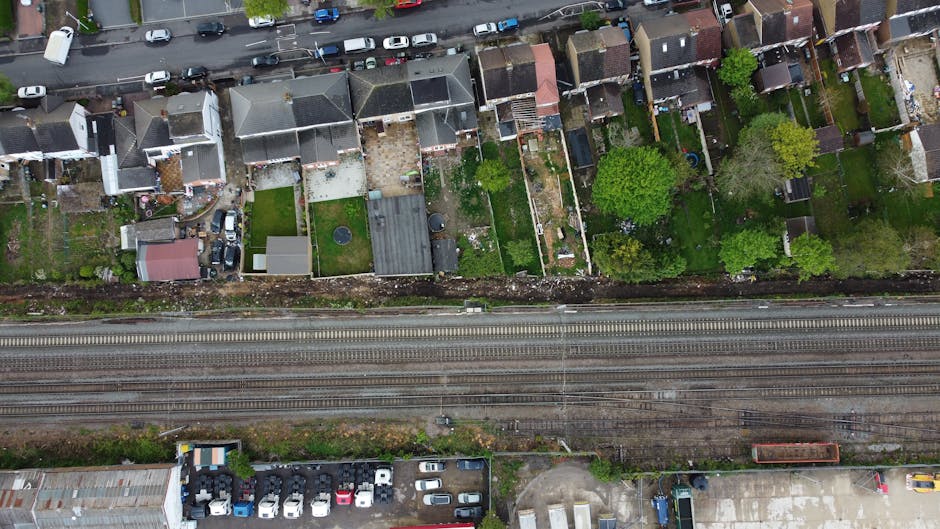
Narrow streets change the whole moving equation. Near Bromley North Station, access can be tight because of residential parking, one-way patterns, small frontages, basement flats, shared entrances, or houses where the front door opens straight onto a path barely wide enough for a wheelbarrow. On a dry, quiet afternoon, that might be manageable. At 8am on a busy weekday? Different story.
For removals, access is not just a convenience issue. It affects time, safety, handling, and cost. If a van cannot park close enough, everything takes longer. If furniture has to be carried further, the risk of knocks and strain goes up. If there are stairs, sharp corners, or no clear place to stage items, the crew has to work more slowly and more carefully. That is not drama; it is simply the reality of urban moving.
There is also the emotional side. A move is stressful enough without worrying whether a wardrobe will fit through the hallway or whether the van can reverse without blocking half the road. A well-run narrow-access move reduces that pressure. You are not fighting the street. You are working with it.
Key point: the tighter the access, the more the move depends on planning before moving day, not on speed during it.
How Bromley North Station removals for narrow access streets Works
A narrow-access removal is usually handled by splitting the job into stages. The exact method depends on the street, the property type, and the volume of items, but the process usually looks like this.
- Pre-move assessment - The removals team checks access details: road width, parking options, staircases, loading distance, doorway sizes, lift access, and any restrictions around the property.
- Vehicle planning - A larger lorry may not be the best choice. Sometimes a smaller vehicle, shuttle runs, or a small removals approach works better.
- Packing and protection - Items are wrapped, boxed, and labelled so they can be carried efficiently and safely. Good packing matters even more when turning space is limited.
- Loading strategy - Heavy and awkward items are loaded first, with fragile items secured separately. The team plans the order carefully so there is less handling on site.
- Final carry and placement - At the destination, furniture is brought in room by room, often with a focus on minimising back-and-forth trips up and down stairs.
In many cases, narrow-access moves benefit from a hybrid setup. For example, a van may park where it can legally and safely stop, then a smaller vehicle or porter-style carry completes the last stretch. That kind of flexibility can make all the difference. Let's face it, the last 30 metres can be the hardest part of the day.
For flats or maisonettes near the station, a dedicated flat removals approach may be more suitable than a standard house move. And if furniture cannot be placed immediately, short-term holding in short-term storage can take the pressure off.
Key Benefits and Practical Advantages
When a tight-access move is planned properly, you gain more than just a successful moving day. You gain control. That matters far more than people expect.
- Less risk of damage - Fewer awkward lifts and fewer last-minute scrambles mean less chance of scuffed walls, chipped furniture, or damaged flooring.
- Better time management - A pre-planned route and vehicle choice reduce delay.
- Lower physical strain - Moving heavy items over shorter, clearer routes is safer for everyone.
- More predictable costs - When the access challenge is understood early, there are fewer surprises on the day.
- Less stress for you - Which, to be fair, is the real win.
There is another practical advantage people often overlook: better decision-making. Once you know the access limitations, you can choose between carrying everything in one go, moving smaller loads, or temporarily storing items you do not need right away. A move becomes a sequence of sensible steps instead of one giant, exhausting event.
If you are clearing a whole property and need help with heavy items, house removals can be combined with storage or phased delivery. For bulky pieces only, furniture storage may be the calmer option.
Who This Is For and When It Makes Sense
This type of removals support is especially useful for people living or working in properties where access is tighter than average. That could be a terrace off a narrow road, a flat above a shop, a basement apartment, or a small mews-style property near the station with limited loading space.
It also makes sense if you are moving:
- from a top-floor flat with narrow stairs
- into a property with no driveway
- during busy commuting hours when roadside space is limited
- with awkward items such as wardrobes, beds, desks, or sofas
- with very little time to load and unload
- with a mix of household and storage items that need sorting first
Students, renters, and small households often use this kind of service because they do not need a huge vehicle, but they do need careful handling. Business owners can benefit too, particularly if they are relocating equipment, files, or stock in stages. An office removals plan or business storage setup can reduce disruption when access is awkward and time is tight.
Truth be told, if you are looking at the street outside your property and thinking, "That van is never fitting there," you are probably right to raise the question early.
Step-by-Step Guidance
Here is a straightforward way to approach a narrow-access move near Bromley North Station.
- Measure the access points
Check doorway widths, stair turns, hallway tight spots, and any low ceilings or banisters. If you can, take photos. A quick video on your phone is even better. - Check parking and loading options
Work out where a vehicle can stop without causing issues. Do not assume the best spot will be free on the day. Near busy local streets, it often will not be. - Sort your items by priority
Decide what must be moved first and what could go into storage. That is especially useful for seasonal items, spare furniture, or boxes you have not unpacked in years. Happens more often than people admit. - Choose the right moving method
For some homes, a small vehicle is the answer. For others, a larger removals crew with shuttle support is better. For very tight access, local removals with an experienced crew may be the most practical fit. - Protect the property
Use door protectors, floor coverings, and furniture wraps. These tiny details save headaches later. - Load in the right order
Heavier and sturdier items first, fragile items last. Keep important essentials separate so they are easy to reach. - Plan the final placement
Tell the team where each item should go in advance. It sounds obvious, but on a busy moving day, clarity helps a lot.
If you want packing help, consider packing services so items are boxed in a way that suits a tight-access carry. Good packing is not just about neatness; it is about movement, balance, and safety.
Expert Tips for Better Results
Over time, a few habits consistently make narrow-access removals much smoother.
- Book earlier than you think you need to - The best-moving-day fix is advance planning. Last-minute bookings can work, but they leave less room for access checks.
- Photograph awkward areas - Stairs, entrances, parking spaces, alleyways, and corners. A picture often tells the story faster than a long description.
- Declutter before packing - If you have not used it for a year, question whether it deserves van space.
- Use consistent labels - Label rooms clearly. On a narrow street, the crew should be able to move steadily, not stop and guess.
- Keep essentials separate - Kettle, chargers, medicines, documents, snacks. The ordinary things become oddly important by 6pm.
- Think about weather - Rain, ice, and dark evenings can make tight streets even less forgiving. A July move is not the same as a damp January one.
Expert summary: The best narrow-access moves are not the fastest ones. They are the ones where the route, the loading order, and the packing all agree with each other.
A small but useful tip: leave the hall, stairwell, and front door area as clear as possible the night before. It reduces bottlenecks right when the team needs momentum. Simple, but it works.
Common Mistakes to Avoid
Narrow-access moves go wrong for familiar reasons. Most of them are preventable.
- Underestimating the space - A van may fit, but not be able to turn. Or it may stop, but block the only workable loading point.
- Ignoring stair and hallway measurements - A sofa that fits in the van may still fail at the landing.
- Not telling the removals team about restrictions - If access details are hidden until moving day, the whole plan becomes reactive.
- Leaving packing too late - Half-packed boxes are awkward to carry and easy to damage.
- Assuming storage is unnecessary - Sometimes the smartest move is not forcing everything into one day.
- Choosing the wrong vehicle size - Bigger is not always better. In narrow streets, a more suitable vehicle often beats a bigger one.
Another common issue is overfilling boxes. Heavy boxes are harder to handle in tight spaces, especially on stairs. A box that is too heavy can slow everything down and create risk. Keep them manageable. Your back will thank you, and so will anyone carrying them.
Tools, Resources and Recommendations
You do not need a warehouse full of equipment to manage a narrow-access move, but the right tools help.
| Item | Why it helps | Best used for |
|---|---|---|
| Furniture blankets | Protects finishes and corners during tight carries | Wardrobes, tables, beds, cabinets |
| Removal straps | Makes lifting and steering easier | Stairs, long carries, awkward turns |
| Floor protectors | Reduces scuffs and dirt transfer | Hallways, landings, entrances |
| Wardrobe boxes | Keeps clothing upright and easy to move | Closets, hanging items, short-term relocation |
| Clear labels and markers | Speeds up placement and unpacking | Room-by-room organisation |
| Storage access plan | Lets you stage items that do not need immediate delivery | Phased moves, delayed completion, decluttering |
For people who need more breathing room, self storage can help you move in stages. If you only need a temporary buffer while a room is being cleared or decorated, mobile self storage can also be a practical fit. And if your move involves smaller loads rather than a full house, a small removals approach can be more efficient than booking a large vehicle.
Law, Compliance, Standards, or Best Practice
For most domestic moves, the main concerns are safety, care, and good practice rather than complicated regulation. Still, a professional removals operation should work in line with sensible UK expectations around road safety, manual handling, property protection, and insurance.
That means drivers should park legally and considerately, crews should handle items safely, and the business should explain its approach to liability, risk, and claims clearly. If you are comparing providers, read the small print and ask how items are protected, who is responsible for access issues, and what happens if loading is delayed by parking or street constraints.
It is also sensible to check how the company handles payments, data, and terms before you book. The supporting pages on payment and security, insurance and safety, health and safety policy, and terms and conditions can help you understand the company's standards and expectations.
One thing worth saying plainly: if the access is exceptionally tight, tell the company in advance. A good removals team would rather know early than discover it with a van full of furniture and no sensible way to unload. There is no prize for pretending the street is wider than it is.
Options, Methods, or Comparison Table
Different access challenges call for different moving methods. Here is a simple comparison to help you decide what suits your situation.
| Method | Best for | Strengths | Limitations |
|---|---|---|---|
| Full removals team | Larger home moves, heavier furniture, more complex access | Handled end-to-end, more support, efficient for full properties | May cost more than smaller options |
| Man and van | Smaller loads, quick moves, single flats, flexible timing | Often nimble in narrow streets, good for short distances | Less suited to large or bulky moves |
| Small removals | Compact homes, student moves, limited furniture | Right-sized for tight roads and limited storage space | Not ideal if you have a full house to move |
| Removals and storage | Moves with timing gaps, decluttering, delayed access at destination | Reduces pressure, supports phased moving | Requires planning two parts instead of one |
There is no single best option for everyone. A student moving out of a Bromley flat at the end of term may only need a van and a few careful hands. A family relocating from a terrace near the station may need a larger team plus temporary storage. Different jobs, different answers. Simple as that.
Case Study or Real-World Example
Picture a typical move near Bromley North Station: a two-bedroom flat on a narrow residential street, no driveway, parking already tight by mid-morning, and a couple of bulky items that definitely do not enjoy stairwells. The residents have packed most of their belongings, but a dining table, sofa, and bed frame are the awkward bits.
Instead of turning up with one large vehicle and hoping for the best, the move is planned around access. The team confirms where a van can stop, estimates the carry distance, and suggests moving non-essential items into storage first. On the day, the boxes are loaded quickly, larger items are wrapped carefully, and the furniture is delivered in a sensible order. The result? Less congestion, fewer lifts, and no last-minute panic when a car appears in the wrong place. Not glamorous. Very effective.
That kind of planning is especially useful for people who are not moving everything at once. A mixed move can be supported by removals for the main items and secure storage for anything that needs to wait. If the property is rented, this can also make end-of-tenancy cleaning and handover much easier. Nice little win, that.
Practical Checklist
Use this checklist before moving day. It keeps things grounded and stops the job becoming a blur.
- Measure doors, hallways, stairs, and the tightest turning points
- Take photos or a short video of the access route
- Confirm where the vehicle can safely and legally stop
- Tell the removals team about stairs, lifts, basements, and long carries
- Decide which items can be moved later or stored temporarily
- Finish packing and label boxes clearly
- Protect floors, corners, and fragile furniture
- Keep essentials, documents, and valuables separate
- Check whether pricing and quotes account for access difficulty
- Leave clear pathways inside the property
- Make sure keys, codes, and entry instructions are ready
Practical summary: if the street is tight, the move has to be even tighter in its planning. That is the whole game.
Conclusion
Bromley North Station removals for narrow access streets do not have to be stressful, but they do have to be planned properly. The street layout, parking, carrying distance, and property design all affect how the move should be handled. Once you accept that access is part of the job, the rest becomes much more manageable.
The smartest approach is usually a combination of careful assessment, right-sized vehicles, efficient packing, and, where useful, storage to reduce pressure on the day. Whether you are moving a flat, a family home, a small office, or just a few awkward items, the aim is the same: keep the process safe, calm, and efficient. That is what turns a hard move into a good one.
If you are still weighing up the best setup, take your time, ask clear questions, and choose the option that fits the street rather than fighting it. Honestly, that mindset saves more trouble than any last-minute rush ever could.
Get a free quote today and see how much you can save.
Frequently Asked Questions
What makes narrow access street removals more difficult?
Narrow access streets make parking, turning, loading, and carrying furniture more difficult. A move can take longer if the van cannot get close to the property, and awkward stairwells or tight entrances add another layer of risk.
Do I need a smaller van for Bromley North Station removals?
Not always, but often a smaller or more flexible vehicle is better. The best choice depends on the street width, available parking, and the amount of furniture or boxes being moved.
How do I know if my street is too tight for a standard removals lorry?
If parking is limited, the road is narrow, or vehicles already struggle to pass each other, a standard lorry may be unsuitable. Photos, measurements, and an honest description of the road help a removals team assess it properly.
Can removals be split into more than one trip?
Yes. In tight-access areas, splitting the move into shuttle runs or staged deliveries can be the safest and most efficient option. It is often better than forcing everything into one risky load.
Is storage useful for narrow access moves?
Very often, yes. Storage is helpful if you do not need everything delivered immediately, if you are decluttering before a move, or if the destination is not ready yet. Services like short-term storage can provide breathing room.
What should I tell the removals company before the move?
Tell them about staircases, narrow hallways, low ceilings, loading restrictions, parking issues, and any large or fragile items. The more detail you give, the better the plan will be.
Are flat moves harder than house moves in narrow streets?
Sometimes they are. Flats often involve stairs, shared entrances, and less loading space, so access can be trickier even if there is less total furniture. A dedicated flat removals approach can help.
How can I reduce the risk of damage during a tight-access move?
Use proper packing, protect walls and floors, and make sure heavy items are carried by people who know how to manoeuvre them safely. Good preparation matters more than people think.
What if I only have a few items to move?
If the load is small, a man and van or small removals service may be the most efficient option. It can be faster and easier to organise than a full-size removal.
Can office moves also be handled in narrow access areas?
Yes. Office moves can be managed in tight streets too, especially if the load is planned carefully and documents or equipment are packed in the right order. Office storage can also help if the move needs staging.
What if I am moving out of a rented flat and need to leave quickly?
That is a common situation. A combination of removals, storage, and prioritised packing can make the process much easier. It helps to keep essentials separate and move non-urgent items first.
How do I get the best quote for a narrow-access removal?
Be detailed. Share access photos, describe parking constraints, list any bulky items, and explain whether storage is needed. Clear information usually leads to a more accurate quote and fewer surprises later.
Is it worth using packing services for a difficult street?
Often yes. Professional packing can reduce damage and save time, especially when items need to be carried carefully through tight spaces. It is one less thing to juggle on moving day.